
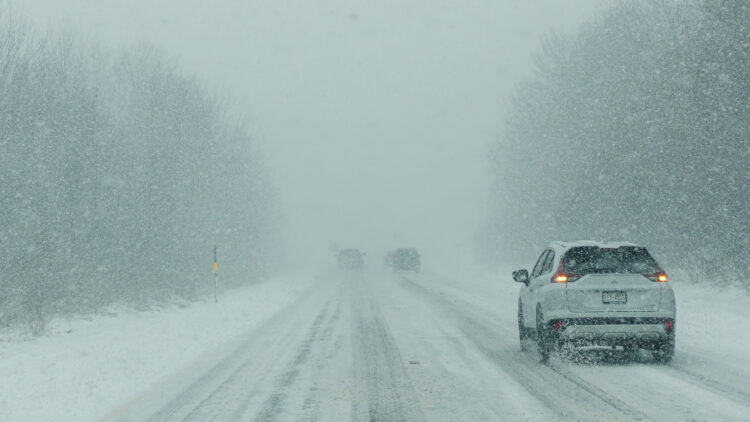
Inclement weather can disrupt operations quickly, creating uncertainty for both employers and employees. How an organization communicates expectations during these situations plays a critical role in safety, morale, and operational continuity.
Clear policies and consistent practices help employers navigate weather-related challenges while protecting their teams and maintaining trust.
Why Clear Expectations Matter During Severe Weather
When weather conditions deteriorate, employees need timely and accurate information. Unclear expectations can lead to:
- Safety risks from unnecessary travel
- Confusion around attendance and scheduling
- Inconsistent decision-making
- Frustration or disengagement
Employers who communicate early and clearly reduce risk and help employees make informed decisions.
Best Practices for Employers During Inclement Weather
Strong inclement weather practices include:
- Establishing clear policies for closures, delays, and remote work
- Communicating decisions as early as possible
- Using consistent channels for updates (email, text, or call-out systems)
- Setting expectations around attendance, pay, safety
- Applying policies consistently across teams
Preparation and transparency are key to maintaining order during unpredictable conditions.
How Staffing Partners Support Weather- Related Planning
Staffing partners can support employers during inclement weather by heling manage workforce flexibility, coverage needs, and communication with temporary or contingent staff.
Clear coordination ensures expectations are understood and safety remains a priority – even when conditions change quickly.
Preparedness Builds Trust
Inclement weather may be unavoidable, but confusion doesn’t have to be. Employers who plan ahead, communicate clearly, and prioritize safety creates stability – even during disruption.
With the right practices and support in place, teams can respond confidently and responsibly when weather impacts operations.